Humidity and leaks are common challenges that can damage structures and compromise the integrity of buildings. To combat these challenges, waterproofing paint is the perfect solution to ensure the protection of the surfaces most exposed to water and humidity in a building, such as terraces, balconies, terraces, roofs and facades.
Waterproofing paint has become a key solution to protect different types of surfaces from the adverse effects of water, especially the areas of buildings that suffer the most from the effects of humidity and external agents, such as rain and direct sunlight, which makes them vulnerable to water infiltration and damage, such as, fundamentally, the roofs and facades that make up the building envelope, such as terraces, balconies, terraces and roofs, and Beyond its aesthetic appeal, the different types of waterproofing paints They provide protection against leaks and structural damage caused by the weather, extending the useful life of buildings and avoiding costly repairs.
Waterproofing paint, what it is and what it is used for
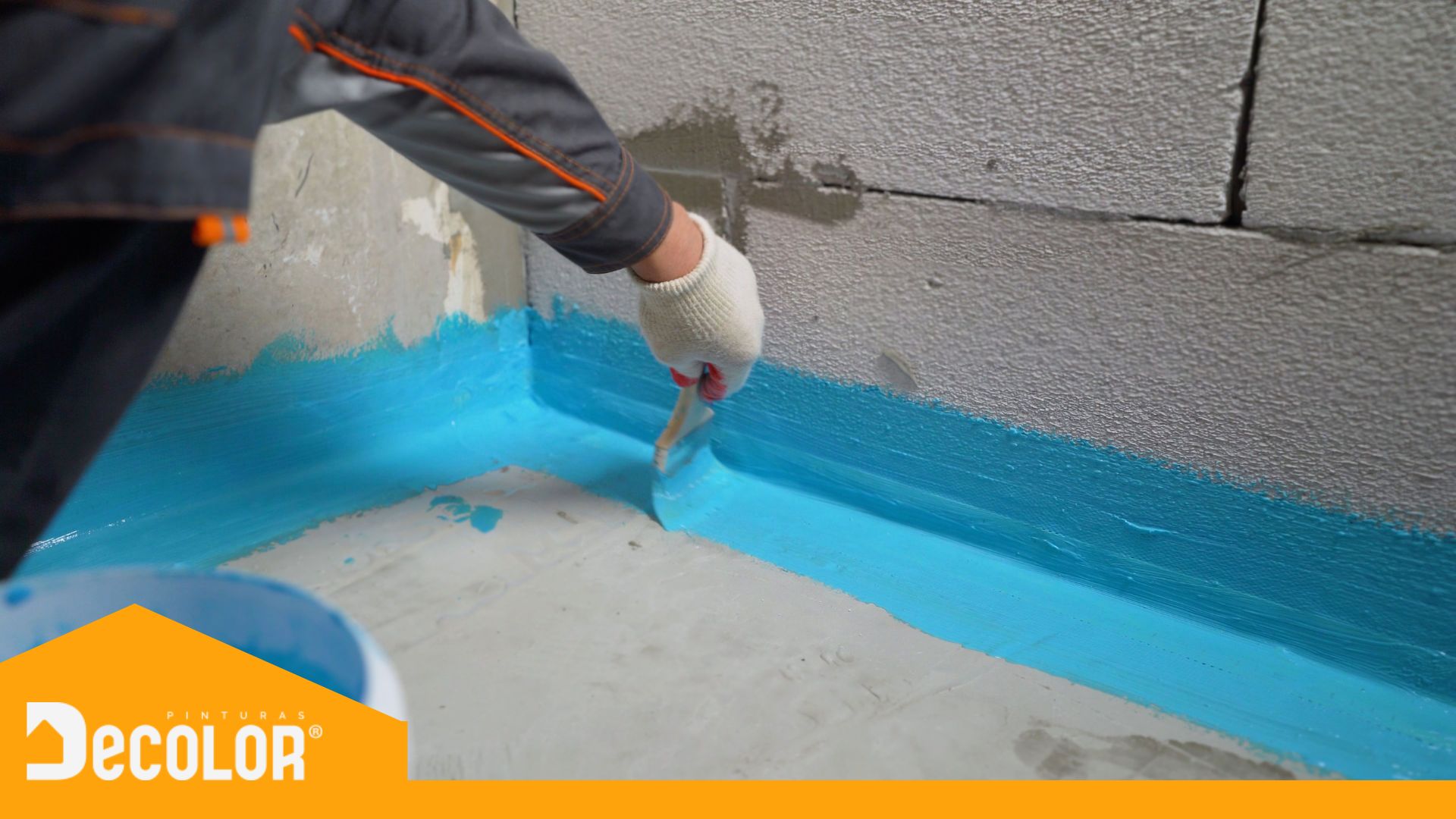
Waterproofing paint is a type of coating that creates a barrier with water repellent protection special for prevent water infiltration and protect structures from moisture damage on the surfaces to which it is applied.
Its main function is to prevent water and humidity from seeping into structures, which can cause anything from small leaks to serious problems such as deterioration of materials, the formation of mould, oxidation of metal components, or even compromising the structural stability of a building.
Where to apply waterproofing paint
The areas most vulnerable to humidity in a building are precisely where waterproofing is essential, due to its ability to repel water, which is known as water repellency. This property means that water that comes into contact with the treated surface is not absorbed, but instead forms small drops that roll down the surface without penetrating the underlying material. This effect is crucial in areas such as terraces, rooftops, dividing walls or facades exposed to rain, as it prevents the appearance of leaks and the damage they could cause.
In addition to its protective function against humidity, waterproofing paints They can also incorporate additional features depending on the type of surface and the environment where they are applied. For example, some formulas include UV protection, which prevents the paint from rapidly degrading or fading when exposed to the sun. Others offer additional resistance against microorganisms such as fungi and mold, which tend to proliferate in humid environments, thus protecting both the structure and the health of the inhabitants.
The versatility of waterproofing paint makes it a perfect solution on a wide variety of surfaces and Its application not only guarantees the durability of the materials, but also contributes to reducing maintenance costs and improving the interior comfort of buildings.
The application of waterproofing paint is especially useful in outdoor areas exposed to the elements and where water leaks pose a constant risk, such as:
🔸 ROOFS AND ROOFTOPS: These spaces require paints that can withstand extreme heat and continuous exposure to rain, preventing leaks and seepage, which helps maintain their integrity and prolong their useful life.
🔸 TERRACES AND BALCONIES: These areas are particularly exposed to rainwater and temperature changes, so waterproofing paint acts as a protective barrier, with high resistance to abrasion and flexibility, crucial in transit areas.
🔸 FACADES: In addition to improving the visual appearance with a long-lasting aesthetic finish, waterproofing paint protects facades from the elements, preventing the penetration of water that can cause structural damage.
🔸 PARTY WALLS:The walls that separate properties must be protected against humidity, in them the waterproofing paint acts as a barrier that prevents water filtration from the outside, ensuring the integrity of both properties.
🔸 GUTTERS AND DOWNSPOUTS: The application of waterproofing paint on these elements is essential to prevent water accumulation and ensure proper drainage, avoiding leaks in adjacent structures.
🔸 RETAINING WALLS: These walls are susceptible to soil moisture. Waterproofing paint provides a protective layer that minimizes water absorption, maintaining the stability of the ground and preventing erosion.
On these surfaces, in addition to preventing and stopping problems with humidity, leaks and seepage, which can seriously compromise the good condition and stability of any type of structure, waterproofing paints offer protection against factors such as heat, fungi, mould, etc., improving the durability and appearance of the treated surfaces.
Waterproofing solutions from DECOLOR Paints suitable for each surface
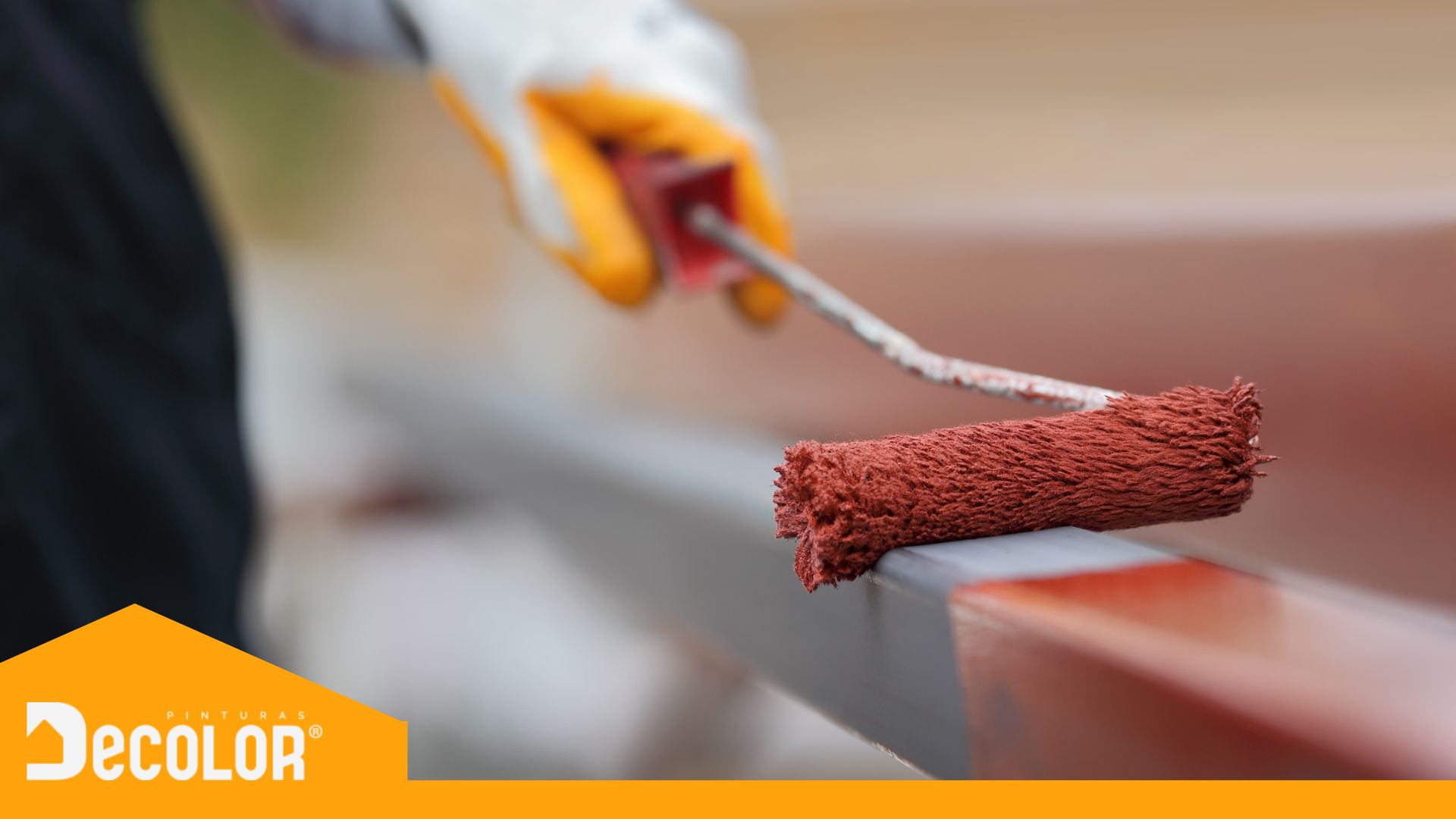
Choosing the right waterproofing paint depends on the type of surface and the conditions to which it will be exposed. However, it is essential to properly prepare the application area beforehand, removing dust, dirt and traces of previous paint to ensure proper adhesion and long-lasting coverage.
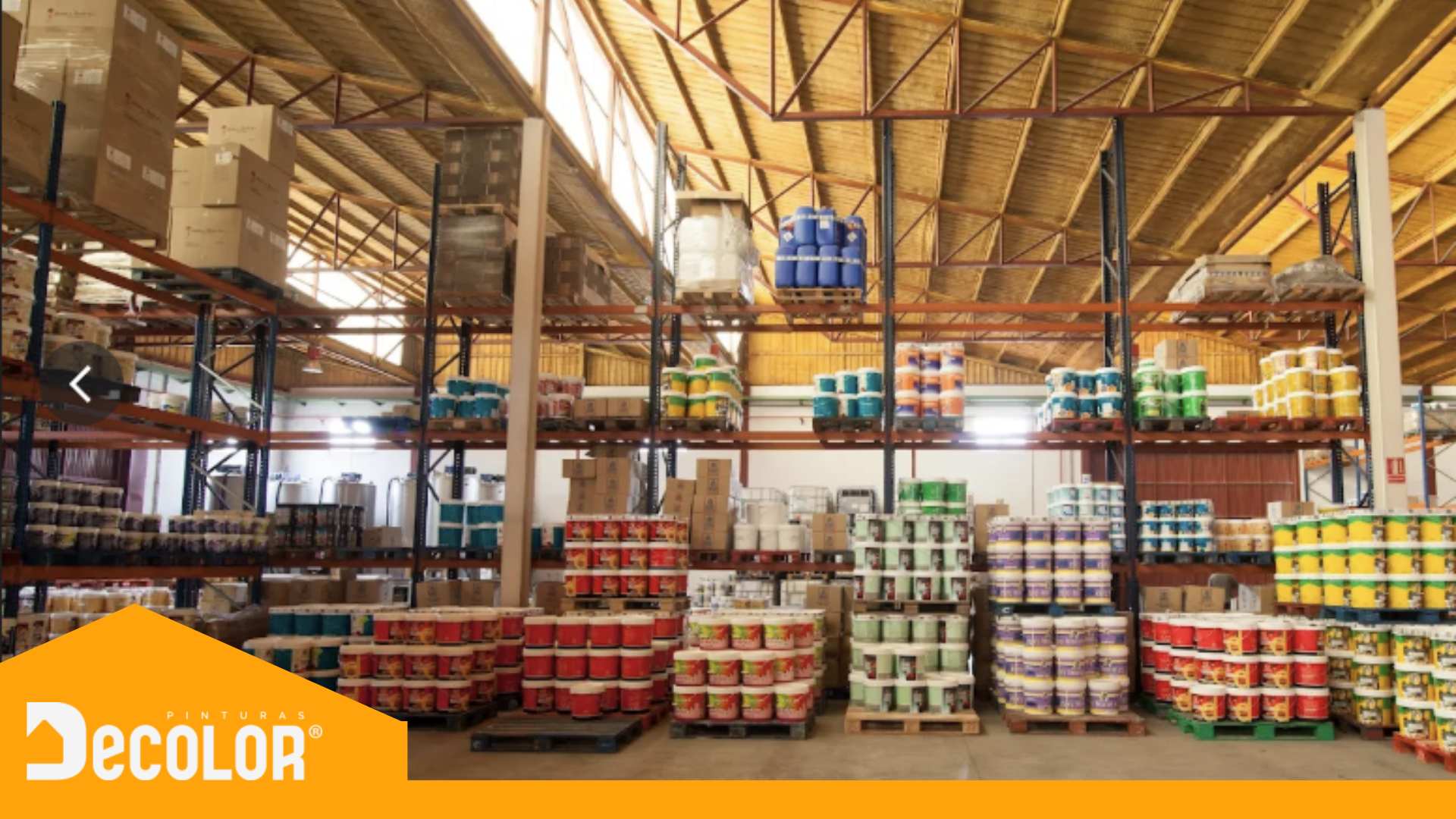
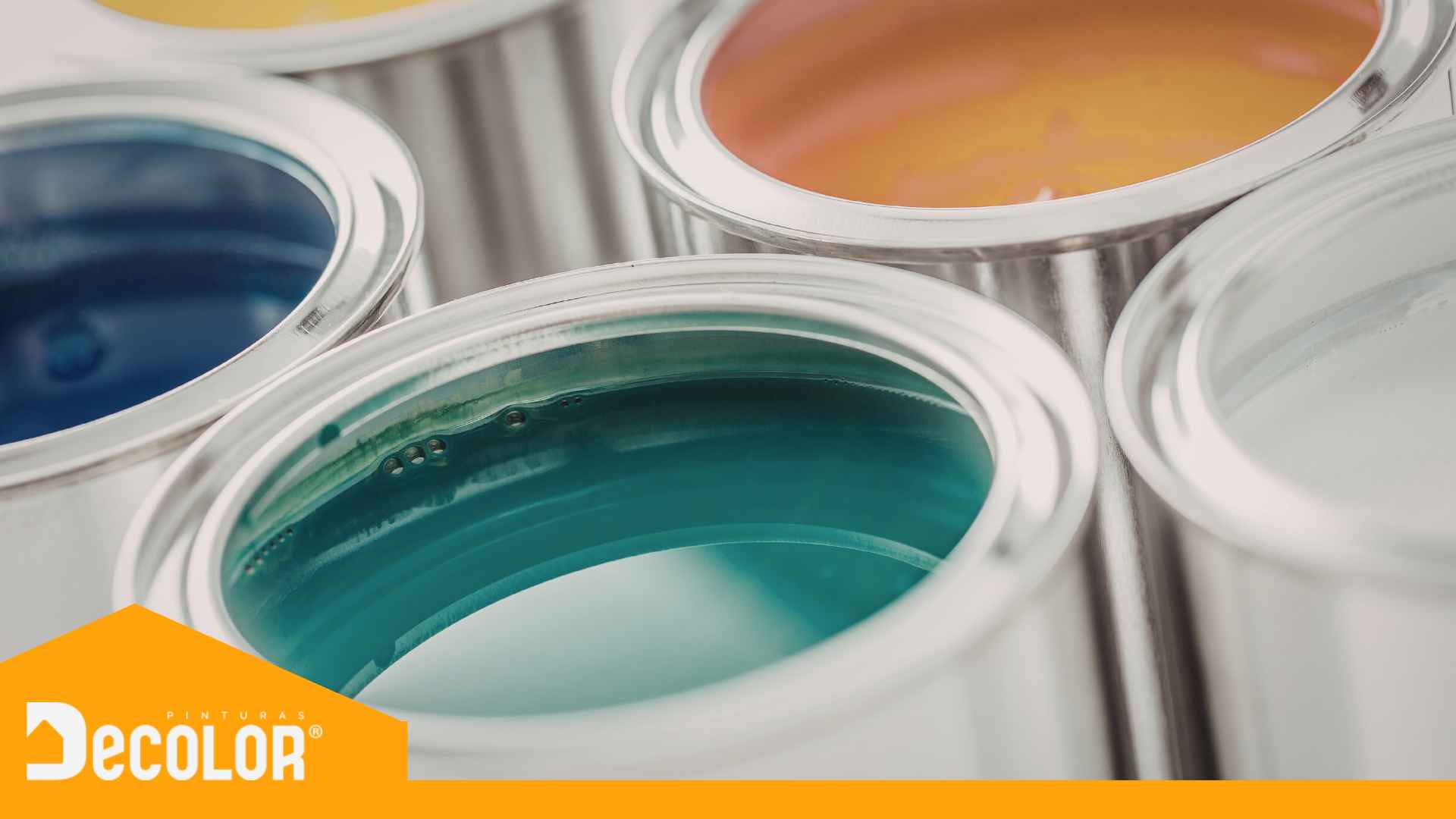
Aware of the challenges presented by leaks and humidity, At Pinturas DECOLOR we offer a wide range of waterproofing paints that guarantee maximum protection and durability, adapted to both horizontal and vertical surfaces, and responding to different needs with quality and high-performance solutions.


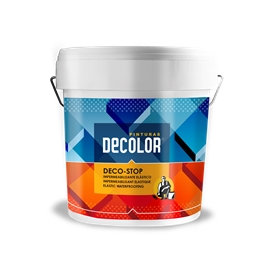
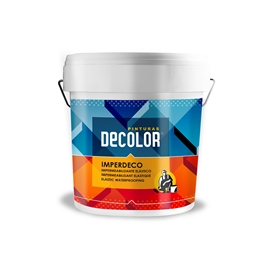
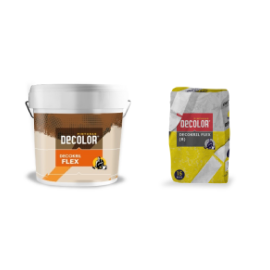

A quality waterproofing paint not only ensures the integrity and long-term durability of treated surfaces, but also improves their aesthetics.
If you need more information, you can consult our CATALOG or put you in contact with DECOLOR Paints.